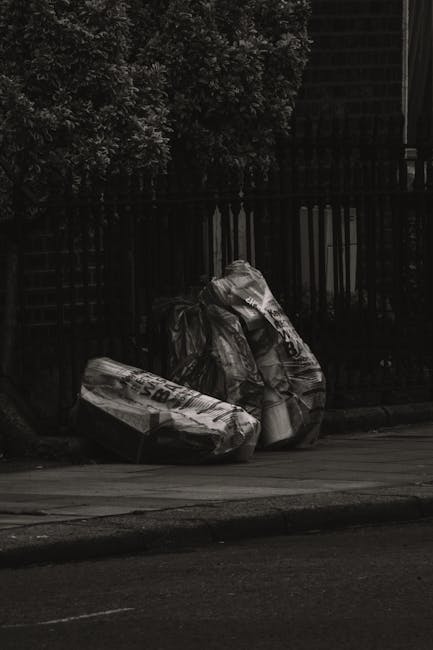
Harrow Council fines for illegal cleaning waste: what cleaners, landlords, and households need to know
If you have ever finished a deep clean and stared at a bucket of dirty rinse water, sludge, used cloths, or half-empty chemical bottles, you will know the awkward bit comes after the cleaning. Harrow Council fines for illegal cleaning waste are not just a scare story. They are a real reminder that waste from carpet, upholstery, steam, and stain removal work has to be handled properly. Dump it the wrong way, pour it into a street drain, or hand it to the wrong carrier, and you can end up with a costly mess on your hands.
This guide explains what illegal cleaning waste means, how council enforcement usually works, who is most exposed, and what sensible steps help you stay compliant. It also covers practical disposal habits, common mistakes, and a few real-world scenarios that make the issue easier to picture. Truth be told, most people do not set out to break rules; they simply do the convenient thing under time pressure. That is exactly where trouble starts.
Table of Contents
- Why Harrow Council fines for illegal cleaning waste matters
- How Harrow Council fines for illegal cleaning waste works
- Key benefits and practical advantages
- Who this is for and when it makes sense
- Step-by-step guidance
- Expert tips for better results
- Common mistakes to avoid
- Tools, resources and recommendations
- Law, compliance, standards, or best practice
- Options, methods, or comparison table
- Case study or real-world example
- Practical checklist
- Conclusion
- Frequently Asked Questions
Why Harrow Council fines for illegal cleaning waste matters
Cleaning waste is easy to underestimate because it often looks harmless. A grey bucket of wastewater after a carpet clean does not seem dramatic. A bag of soiled pads or a plastic container with residue in it does not look like a major environmental issue either. But councils treat waste control seriously because improper disposal can block drains, contaminate land, create odours, attract pests, and put pressure on public cleaning services.
For Harrow residents and businesses, the practical risk is not just the fine itself. It is the chain reaction that can follow: complaints from neighbours, an inspection, a waste transfer issue, or a job that has to be redone because water was tipped somewhere it should never have gone. Once people realise there may be a paper trail or a witness, the mood changes very quickly. Nobody enjoys that phone call.
There is also a trust angle. If you are a cleaner, landlord, facilities manager, or contractor, your clients expect you to operate responsibly. They may not ask about waste before booking, but they absolutely notice when the area is left tidy, drains are protected, and disposal is handled correctly. That sort of care is a quiet business advantage, especially for regular domestic and commercial work.
And let's face it, cleaning businesses live or die on details. A spotless rug is nice. A compliant waste process is nicer.
Expert summary: Illegal cleaning waste usually becomes a problem when wastewater, contaminated materials, or chemical residues are treated like ordinary household rubbish. The safest habit is simple: separate, contain, store, and dispose of waste with a clear process every time.
How Harrow Council fines for illegal cleaning waste works
While councils can differ in how they investigate and enforce waste issues, the basic pattern is usually familiar. If waste is dumped, spilled, fly-tipped, or handled in a way that looks negligent, the council may gather evidence, identify the source, and decide whether a fixed penalty, formal warning, or prosecution route is appropriate. In many cases, the first clue is a complaint or a visible mess. A stained pavement, blocked gully, or abandoned container can be enough to trigger attention.
Cleaning waste enforcement tends to focus on who produced the waste, how it was stored, who transported it, and whether the disposal route was lawful. That sounds bureaucratic, but it is actually practical. If a contractor cannot show that waste was managed properly, the council may assume the opposite. Not ideal.
Typical risk areas include:
- pouring wastewater into a surface drain or public gutter
- leaving dirty water in open containers where it can spill
- placing chemical bottles with residue into general waste without checking suitability
- disposing of used pads, cloths, or filters with no segregation
- using an unlicensed or unsuitable waste carrier
- failing to keep basic records for commercial jobs
The important thing to understand is that fines usually come after an avoidable process failure. Very rarely does a council say, "We caught you because your mop bucket looked a bit suspicious." It is more often the aftermath that gives the game away. A spill, a complaint, a messy loading bay, or a trail of residue tells the story.
If you run a cleaning operation, it helps to review your broader operational policies too. Things like health and safety procedures, insurance and safety arrangements, and even how you present quotes through pricing and quotes all influence how professional and reliable your business appears.
Key benefits and practical advantages
It may sound strange to talk about benefits in a subject about fines, but there are real gains in getting waste management right. Most of them are boring in the best possible way.
- Lower legal risk: Better habits reduce the chance of penalties, disputes, and avoidable investigations.
- Cleaner workspaces: Waste is contained, which means fewer spills and less mess for customers or staff.
- Better client confidence: People notice when a contractor leaves no trace except a cleaner room.
- More consistent jobs: A repeatable process saves time when you are moving between carpet, sofa, and upholstery work.
- Improved environmental practice: Waste reduction and proper handling support more responsible service delivery.
There is another advantage that gets overlooked: better decisions under pressure. On a wet Tuesday afternoon, with a van full of equipment and one job running late, people tend to do the fastest thing. A clear waste process gives you a default behaviour, which is exactly what you want when you are tired, rushing, or juggling calls. No thinking required. That alone can save a headache.
For businesses that offer multiple services, the benefit is even stronger. A company that already thinks carefully about steam carpet cleaning, upholstery cleaning, and stain removal is usually better placed to control the waste side as well.
Who this is for and when it makes sense
This topic matters to more people than you might think. It is not just for commercial cleaning firms with vans and uniforms. The risk can show up in domestic jobs too, especially when someone has cleaned large amounts of carpet, rugs, or fabric and needs somewhere to put the dirty runoff or used materials.
You should pay close attention if you are any of the following:
- a carpet or upholstery cleaner working in Harrow or nearby
- a landlord or letting agent arranging end-of-tenancy cleaning
- a facilities manager overseeing regular contract cleaning
- a business owner with customer-facing floors, sofas, curtains, or rugs
- a homeowner planning a deep clean after pets, spills, or water damage
- a subcontractor who handles chemical-based or wet cleaning tasks
It also makes sense to care if you are comparing service providers. A company that takes waste, safety, and compliance seriously is often the one that will also be more careful with delicate fabrics, hard-to-remove stains, and practical aftercare. The same mindset tends to run through the job. A good sign is when a provider is open about policies like recycling and sustainability rather than treating waste as an awkward afterthought.
In our experience, clients rarely ask, "What happens to the waste water?" before the booking. But they sometimes ask after a problem has happened. That is the wrong moment to be making it up as you go along.
Step-by-step guidance
If you want to stay on the right side of council enforcement, keep things practical. A tidy process beats a clever explanation every time.
- Identify the waste before the job starts. Know what you are likely to generate: wastewater, residues, used pads, disposable cloths, damaged materials, empty bottles, or packaging.
- Separate hazardous from non-hazardous waste. Do not assume every item can go in the same bag. Chemical containers, solvent residue, or contaminated materials may need special handling.
- Use sealed containers where necessary. Dirty water should never be left open in a van or dumped carelessly. It spills, smells, and creates a trail.
- Check disposal routes in advance. Make sure the waste is going to an appropriate disposal or transfer process. If a third party is involved, verify they are suitable.
- Keep records for business work. A simple note of what was removed, when, and how it was disposed of can be incredibly useful if questions come later.
- Train staff or subcontractors. Even one sloppy habit can undo a lot of good work. Everyone needs the same routine.
- Review incidents quickly. If a spill or complaint happens, fix the process, not just the mess.
A small house move example makes this clearer. Imagine cleaning a damp stair carpet after a water leak. You remove dirty rinse water, saturated cloths, and a bag of heavily soiled debris. If those materials are just chucked into general waste without thought, it is easy to create odours or leakage. If the water is poured into a drain that should not receive it, you may also create a drainage issue. Simple job, silly outcome. Avoidable.
For more complex or recurring work, it is worth using service pages like commercial carpet cleaning and curtain cleaning as reminders that larger jobs produce more waste and need a tighter system.
Expert tips for better results
A few habits make a big difference, and they are not complicated.
- Build waste control into the quote. If disposal takes time or requires extra handling, account for it upfront.
- Carry absorbent materials and spill control items. A small spill kit can stop a minor issue becoming a council issue.
- Use lidded containers for transport. Sounds obvious, yet the number of open tubs in vans is mildly alarming.
- Label containers clearly. That helps staff avoid mistakes when a job gets busy.
- Keep chemical use proportionate. More product is not always better. Overuse creates more residue to manage.
- Choose methods that reduce waste at source. Efficient extraction and controlled application often mean less runoff and fewer disposables.
One practical point: if a cleaner can explain their waste process in plain English, that is a good sign. If the explanation becomes hand-wavy very quickly, you may want to ask a few more questions. It's fair. You are paying for competence, not improvisation.
Where appropriate, ask about payment and security too. A business that handles money carefully often handles operations carefully. Not always, but often enough to matter.
Common mistakes to avoid
Most enforcement problems come from a handful of avoidable habits. They are easy to spot once you know what to look for.
- Tipping wastewater into street drains. This is one of the most common and most risky mistakes.
- Mixing all waste together. Clean packaging, dirty cloths, chemical residue, and wastewater are not the same thing.
- Using guesswork for disposal. "We usually do it this way" is not a compliance system.
- Ignoring supplier instructions. If a chemical label or safety sheet says something specific, that matters.
- Not checking subcontractors. Their mistake can become your problem if they are working under your name.
- Forgetting customer-facing areas. A mess left near a property entrance is more likely to be noticed and reported.
There is also a softer mistake: assuming the council only cares about huge fly-tipping events. In reality, small repeated problems can still create enforcement attention, especially if they affect the same streets, drains, or communal spaces. One tiny spill is one thing. The same tiny spill every week? Different story.
If you are dealing with repeat contamination in soft furnishings, it may be worth using targeted services such as pet stain odour removal, rug cleaning, or sofa cleaning so the waste and treatment method are matched properly to the job.
Tools, resources and recommendations
You do not need a complicated system to do this well. A few simple tools are usually enough.
- sealable tubs or bags for contaminated items
- spill absorbent materials
- labels for segregating waste types
- a written waste-handling checklist for staff
- a job sheet that records the type of waste removed
- a basic photo record where a spill or disputed issue needs evidence
For businesses, the most useful resource is often a good internal process rather than a fancy external tool. A clear route from job start to waste disposal cuts confusion. That is particularly true for teams that also handle delicate materials, because handling fabric, moisture, and residue together can get messy fast. Services such as mattress cleaning and steam carpet cleaning often produce very different waste profiles, so one method does not fit all.
If you are comparing providers, it can help to read pages like about us and terms and conditions to get a feel for how the company works, what they promise, and how they manage expectations. That sounds small, but small signs usually tell the truth.
Law, compliance, standards, or best practice
This is one of those areas where exact legal outcomes can depend on the facts, so caution matters. In the UK, waste duties typically sit under broader environmental and duty-of-care expectations, and councils may use fixed penalties or other enforcement routes where unlawful disposal is suspected. For cleaning waste, the safest approach is to treat anything contaminated, chemical-based, or liquid as potentially requiring more careful handling than ordinary rubbish.
Best practice usually includes:
- keeping waste separate by type
- using suitable storage to prevent leaks or escape
- checking whether the waste carrier or disposer is appropriate for the job
- retaining records for commercial work
- following product safety instructions for any cleaning chemicals used
For businesses that handle regular cleaning work, compliance is not just about avoiding penalties. It is also about showing a credible standard of care. Clients, landlords, and managing agents often look for that quietly. They might not call it compliance, but that is what they are responding to.
One useful rule of thumb: if you would not be comfortable explaining the disposal method to a council officer in plain language, it probably needs tightening up. Simple as that.
Options, methods, or comparison table
Here is a straightforward comparison of common waste-handling approaches. The point is not that one option suits every job, but that the wrong option becomes obvious once you lay it out properly.
| Method | Best for | Pros | Risks or drawbacks |
|---|---|---|---|
| General household disposal | Very light, non-contaminated packaging | Simple and familiar | Not suitable for liquid waste, chemical residue, or heavily contaminated materials |
| Segregated bagging and sealed transport | Used cloths, pads, and small contaminated items | Cleaner, safer, easier to manage | Needs a consistent routine and staff discipline |
| Specialist waste handling | Potentially hazardous or high-risk materials | Better compliance and lower spill risk | More planning and possible extra cost |
| Improvised disposal | Nothing, really | Looks quick in the moment | High risk of complaint, contamination, or fine |
The comparison is blunt on purpose. Improvised disposal is the one to avoid. It feels efficient for about thirty seconds, and then it starts costing time, reputation, and maybe money. A cleaner, more disciplined method is usually cheaper in the long run.
Case study or real-world example
Picture a small local cleaner handling a three-room domestic job after a spill and heavy foot traffic. The carpets are damp, there is grey rinse water from extraction, and a few used pads, gloves, and cloths have piled up by the door. The cleaner is tired, the job is running late, and the van space is already a bit chaotic. Easy moment to cut corners, right?
Instead, the cleaner separates the used materials, keeps the wastewater sealed, checks the agreed disposal method, and makes sure the customer path is left clean. Nothing dramatic happens. No one claps. The job just ends properly. A week later, if the customer needs another service, they remember the tidiness and the calm approach. That is the real benefit. Avoiding a fine is good. Building trust is better.
Now imagine the opposite. Dirty water is tipped somewhere convenient, a puddle reaches a public edge, and someone reports it. Suddenly the job becomes paperwork, explanation, possible cleanup, and stress. The actual cleaning work, oddly enough, is no longer the main issue. Waste management is.
Practical checklist
Use this checklist before, during, and after any cleaning job that creates waste.
- Have I identified the likely waste types before starting?
- Do I know which items must be kept separate?
- Are containers sealed, labelled, and fit for transport?
- Is wastewater being managed safely and lawfully?
- Have I avoided using drains, gutters, or public areas as a disposal shortcut?
- Do I know who is responsible for removal or final disposal?
- Have I kept notes or records for the job?
- Are my staff or subcontractors following the same process?
- Have I checked for spills, residue, or contamination before leaving?
- Would I be comfortable explaining the disposal method if questioned?
If you can tick most of those boxes without thinking too hard, you are probably in decent shape. If not, that is fine too. Better to fix the process now than to find out the expensive way later.
Get a free quote today and see how much you can save.
Conclusion
Harrow Council fines for illegal cleaning waste are really about something simple: whether waste from cleaning is handled with the same care as the cleaning itself. That includes wastewater, residues, soiled cloths, chemical containers, and anything else that should not just be tossed aside and forgotten. The rule of thumb is straightforward. If it can spill, contaminate, or cause a nuisance, treat it seriously.
For households, landlords, and businesses, the safest path is a clear process: separate waste, contain it, transport it properly, and keep a record when needed. For cleaners, that process also becomes part of your reputation. Clients feel the difference, even if they never say it out loud. They see a tidy finish, and that lingers.
Do the small things well, and the big problems usually never show up. That is the quiet win here.
Frequently Asked Questions
What counts as illegal cleaning waste in Harrow?
Illegal cleaning waste usually means cleaning-related waste that is dumped, poured, stored, or transported in a way that breaks environmental or waste-handling rules. That can include dirty water, chemical residue, contaminated cloths, and other materials that should not go into ordinary rubbish or drains.
Can I pour carpet cleaning water down a drain?
Not automatically. It depends on the type of drain and the contents of the water. If the water contains chemicals, heavy soil, or contaminants, it may need different handling. When in doubt, treat it as waste that needs a proper disposal route.
Do Harrow Council fines apply to householders as well as businesses?
Yes, council enforcement can affect households and businesses if waste is disposed of improperly. The risks are often higher for businesses because they generate more waste and are expected to keep better records, but domestic jobs can still cause problems.
What are the most common mistakes that lead to fines?
The most common mistakes are tipping wastewater into the wrong drain, mixing all waste types together, using an unsuitable waste carrier, and failing to keep records for commercial work. Small errors can become bigger once they leave the property.
How can a cleaning business reduce the risk of a penalty?
Use a written waste process, segregate waste, keep containers sealed, train staff, and record disposal details. It is also sensible to review safety, insurance, and terms so the business operates consistently across every job.
Is dirty water from upholstery or sofa cleaning treated differently?
It can be. Upholstery and sofa work may involve stains, detergents, and residues that make the wastewater more sensitive than plain tap water. The exact handling depends on the materials and products used, so one-size-fits-all disposal is a bad idea.
What should I do if waste spills during transport?
Contain it immediately, clean the area safely, and document what happened if needed. If the spill affected a public area or drain, it may need additional attention. The key is to act quickly and not assume it will disappear on its own.
Are cleaning chemicals part of the waste problem?
Yes. Empty containers, leftover product, and chemical residue can all be part of the issue. Even small amounts matter if they are handled badly. Always follow product instructions and avoid mixing substances without proper guidance.
Does using a professional cleaner help with compliance?
Often yes, because experienced cleaners usually have a repeatable process for handling wastewater, cloths, and residues. But it still pays to ask how they manage waste. Professional appearance is good; a clear process is better.
What records should a cleaning company keep?
At minimum, keep notes on the type of waste removed, how it was stored, and how it was disposed of. For recurring commercial work, more detailed records may be sensible. The goal is to be able to show what happened if anyone asks later.
Where does recycling fit into cleaning waste management?
Recycling is useful for uncontaminated packaging and suitable materials, but it does not replace proper handling of dirty water or contaminated items. A good waste plan includes recycling where appropriate and responsible disposal where recycling is not suitable.
What is the safest next step if I am unsure about compliance?
Review your waste process now, before the next job. If you run a business, update your procedure, train the team, and make sure the disposal route is clear. If you are a homeowner, ask the cleaner what they do with wastewater and used materials. A simple question can prevent a messy afternoon later.